
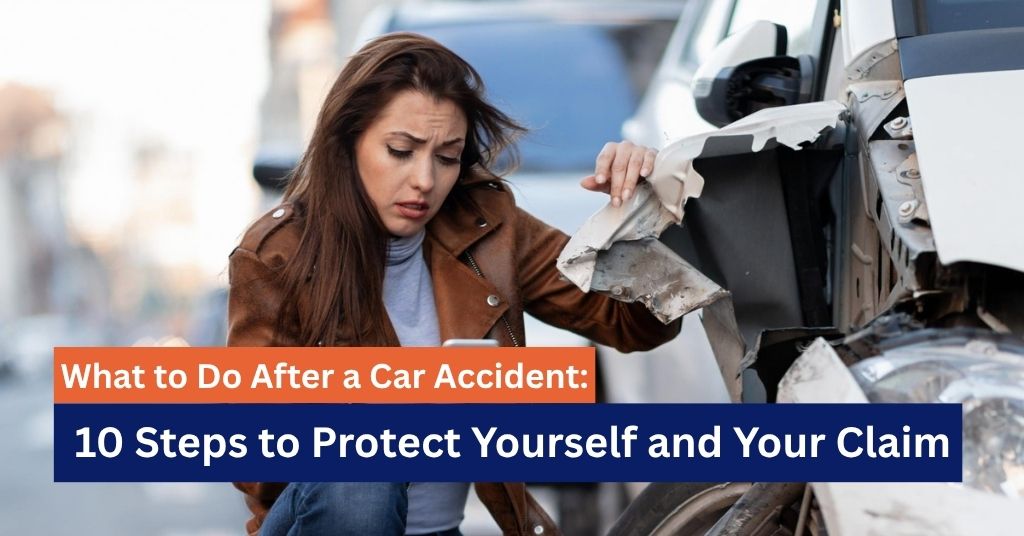
Even a minor fender bender can leave you shaken and unsure what to do next. Knowing what to do after a car accident before it happens makes it much easier to stay calm, stay safe, and protect yourself financially. Here’s a step-by-step checklist from the team at Estrada Car Rentals, including what to do if the car you were driving is a rental.
Quick checklist: steps to take after a car accident
- Check yourself and your passengers for injuries
- Make the scene safe
- Call emergency services or the police
- Exchange information with the other driver
- Photograph and document everything
- Get witness details
- See a doctor, even if you feel fine
- Notify your insurance company
- Keep a record of every expense and conversation
- Get legal advice if anyone was hurt or fault is disputed
Step 1: Stop and check for injuries
Never drive away from an accident scene, even if the damage looks minor. Leaving can be a criminal offense in most places. Turn off the engine, take a breath, and check yourself and your passengers. If anyone is seriously hurt, call emergency services immediately and avoid moving them unless there’s an immediate danger such as fire.
Step 2: Make the scene safe
Switch on your hazard lights. If the accident is minor, no one is injured, and the cars can be driven, take a quick photo of their positions and then move them out of traffic. Set up a warning triangle or flares if you have them, and wait well away from moving vehicles.
Step 3: Call the police or emergency services
Call [911 / 112 / your local emergency number] if anyone is hurt, a driver seems impaired, the other driver is uninsured or leaves the scene, or there’s a disagreement about what happened. Even for minor collisions, a police report creates an official record that insurers rely on, and many places legally require a report above a certain damage threshold. Ask for the report number before you leave.
Step 4: Exchange information (not opinions)
Collect the other driver’s:
- Full name and phone number
- Driver’s license number
- Insurance company and policy number
- License plate number
- Vehicle make, model, and color
If the driver doesn’t own the vehicle, get the owner’s details too. Be polite, but don’t apologize or discuss who was at fault. A simple “I’m sorry” can be interpreted as admitting liability. Fault is for police and insurers to determine.
Step 5: Document everything
Your phone is your best tool. Photograph all vehicles from multiple angles, close-ups of the damage, license plates, road conditions, traffic signs, skid marks, and any visible injuries. A slow walkaround video helps too. While it’s fresh, write down or voice-record the time, location, weather, and what happened.
Step 6: Talk to witnesses
Independent witnesses can be decisive if fault is disputed. Ask for names and phone numbers. If a nearby business might have security camera footage, make a note, because footage is often overwritten within days.
Step 7: See a doctor, even if you feel fine
Adrenaline masks pain. Injuries like whiplash, concussion, and soft-tissue damage often don’t show symptoms for hours or even days. A prompt check-up protects your health and creates a medical record linking any injury to the accident, which matters if you need to make a claim.
Step 8: Notify your insurance company
Report the accident as soon as you reasonably can, since many policies require prompt notice. Stick to the facts and avoid guessing about speeds or distances. Be cautious with the other driver’s insurer: don’t feel pressured into a recorded statement, and don’t accept a settlement before you know the full extent of your injuries and damage.
Step 9: Keep a paper trail
Create one folder, physical or digital, for everything: the police report, photos, medical records and bills, repair estimates, towing receipts, rental costs, and notes from every call with insurers (date, name, and what was said).
Step 10: Know when to get legal advice
If anyone was injured, fault is disputed, the other driver was uninsured, or an insurer is pushing you to settle quickly, speak to a qualified local attorney. Many personal injury lawyers offer free initial consultations, and legal deadlines for claims can be strict, so don’t wait too long.
What to do if you have an accident in a rental car
Everything above still applies, plus a few extra steps:
- Call the rental company right away. The emergency number is usually on your rental agreement, key tag, or a windshield sticker. Estrada customers can reach us at 1-855-4-ESTRADA.
- Get a police report. Most rental companies need one to process a damage claim.
- Photograph the rental car thoroughly, inside and out, including the odometer and fuel gauge.
- Don’t arrange towing or repairs yourself unless the rental company tells you to.
- Check your coverage. Damage may be covered by the rental company’s damage waiver (CDW/LDW), your personal auto insurance, or the credit card you paid with. Checking this before you rent saves a lot of stress later.
- Complete the rental company’s accident report, usually found in the glove box or rental folder.
Common mistakes to avoid after a car accident
- Leaving the scene before exchanging information
- Apologizing or admitting fault
- Skipping the doctor because you “feel fine”
- Posting about the accident on social media, where insurers may look
- Accepting cash from the other driver instead of going through insurance
- Signing anything from an insurer before you fully understand it
Frequently asked questions
Should I call the police after a minor car accident?
It’s usually a good idea. Laws vary by location, but a police report provides an independent record that makes insurance claims smoother, and some places require one when there’s injury or significant damage.
How long after a car accident can injury symptoms appear?
Symptoms of whiplash, concussion, and other soft-tissue injuries can appear anywhere from a few hours to several days after a collision, which is why a prompt medical check is recommended.
Should I admit fault after a car accident?
No. Stay polite and cooperative, but stick to the facts. Determining fault is the job of police and insurers, and statements made at the scene can affect your claim.
What happens if I crash a rental car?
Follow the same safety and documentation steps, then contact the rental company immediately. Who pays for the damage depends on whether you have the rental company’s damage waiver, your own auto insurance, or credit card coverage.
Will insurance pay for a rental car while mine is being repaired?
Often, yes. If the other driver was at fault, their insurer is typically responsible for a reasonable replacement vehicle. If your own policy includes rental reimbursement coverage, it can cover a rental regardless of fault.
Need a car while yours is in the shop? Estrada Car Rentals offers replacement vehicles. Book online or Call 1-855-4-ESTRADA and we’ll get you back on the road.